Sign up here
If you want to become part of KNOCA’s community and receive our regular newsletter and details of upcoming events please click on ‘Sign up’.
Sign up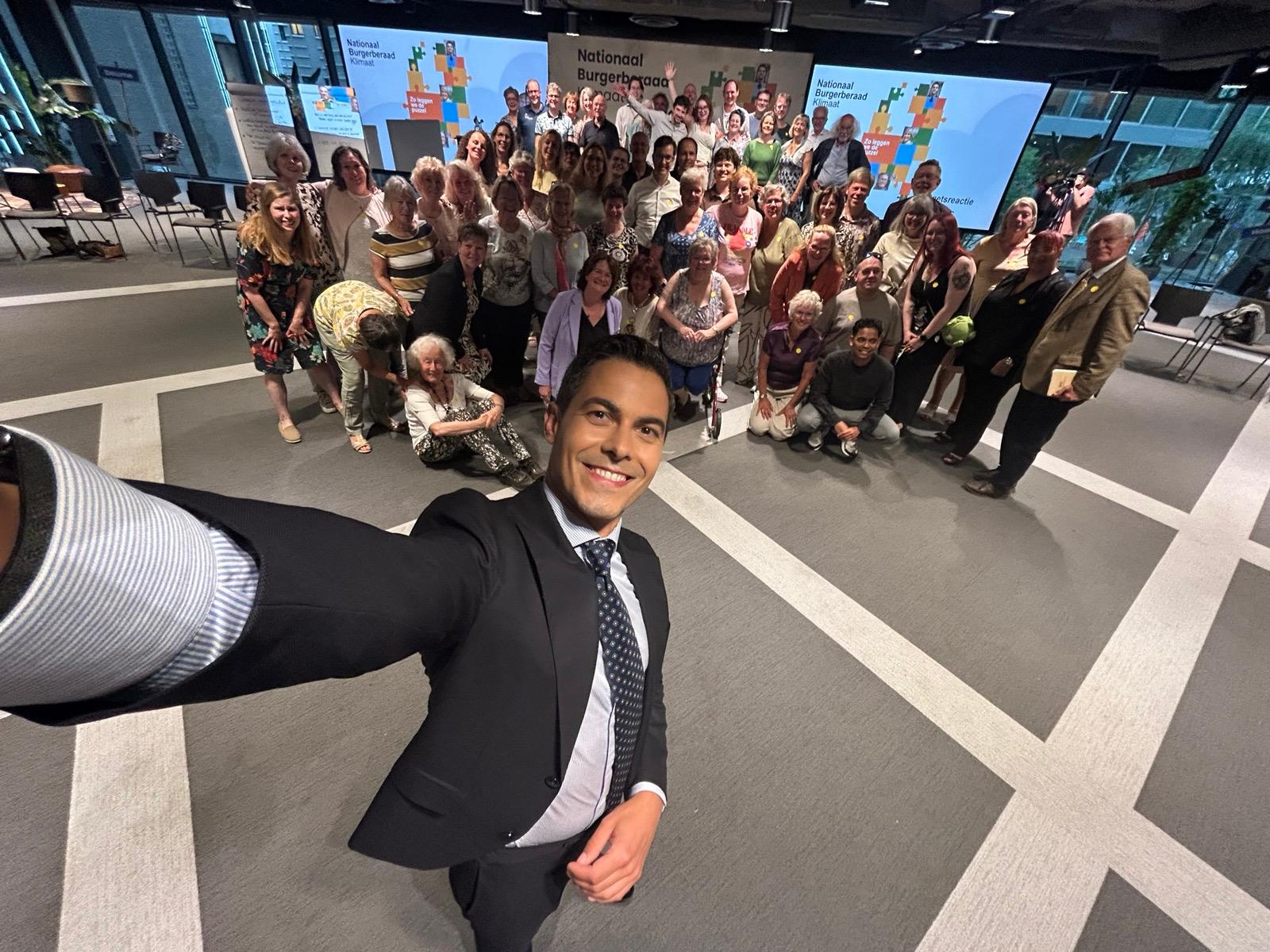
On 29 May 2026, the Dutch Government provided its official response to the proposals of the national Citizens’ Assembly on Climate in The Hague on 29 May 2026. It is determined to implement at least half of the 82 recommended measures. It will decide on a further quarter at a later date.
The government has committed to make electric driving more accessible through, for example, the introduction of a trade-in scheme to exchange old petrol or diesel cars for second-hand electric cars. It is also investigating how costs of repairs can be reduced and working on a lobbying registry designed to provide information on which lobbyists have had contact with policymakers and what influence they have exerted on new legislation.
Other proposals require more time to come to a decision because either financial decisions need to be made or implementation relies on international actions.
The government has also clarified the recommendations it will not adopt. This includes the proposed carbon tax on agriculture and legislation against food waste. The government intends to act in these areas, but in different ways.
The Prime Minister Rob Jetten paid a surprise visit to the event. He said that politicians could learn from the constructive way in which the members had worked together. Echoing the words of the Assembly’s own report he said: “You are a model for all members of parliament and the government. If you can do it, why can’t we?”
The Dutch Government’s response can be found here.

The Knowledge Network on Climate Assemblies (KNOCA) aims to improve the commissioning, design, implementation and impact of climate assemblies, using evidence, knowledge exchange and dialogue. We are an active community of policy makers, practitioners, activists, researchers and other actors with experience and interest in climate assemblies who co-create activities and knowledge.
